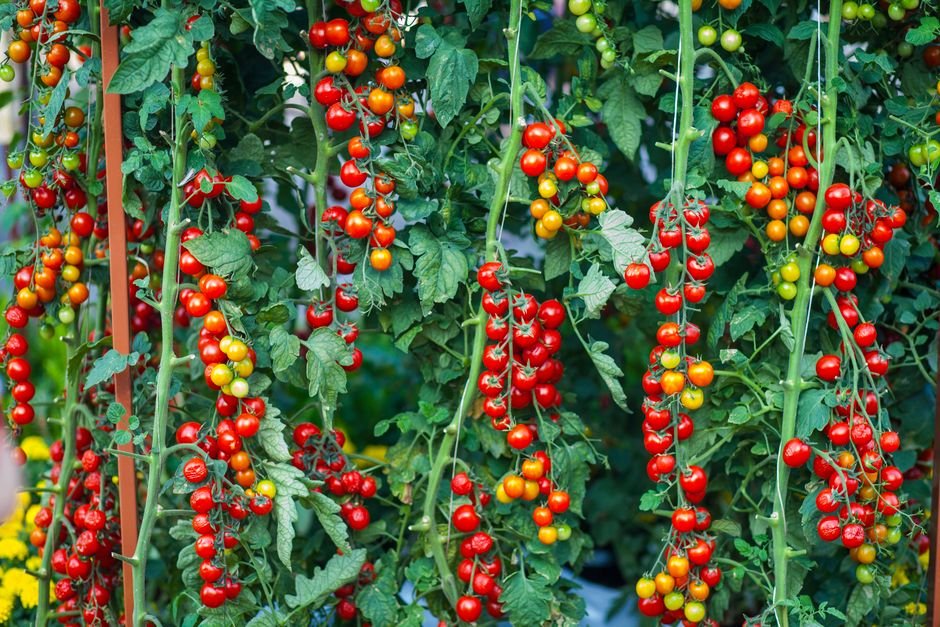
There were two tomato plants at the end of my back bed one July, close enough that their cages touched. The one on the left was loaded, easily three times the fruit of its neighbor, heavy enough that I had propped the cage with a stake. The one on the right had maybe a dozen tomatoes on it. My daughter, who was eight and had no interest in my opinions about gardening, ate one from each and then went back to the right-hand plant and stood there eating until I told her to stop. That settled a question I had been avoiding all season.
The summer I grew for volume
My second year here I got competitive with myself. I wanted the counter covered. I picked things because they were described as heavy producers, I planted more of everything than the beds really allowed, and I fed the beds with compost until they looked black and rich. It worked, in the narrow sense. That August I had more vegetables than any year since.
I also threw a lot of it out. Squash went soft in the bottom of the fridge. I gave away bags of tomatoes to neighbors who were already drowning in their own. And what we did eat was, I have to be honest, unremarkable. It tasted like the store, except I had spent the season producing it. That is the year that taught me that the number of pounds coming out of a garden is a terrible measure of whether the garden is working.
What a heavy producer actually tastes like
I am not going to pretend there is a strict law here, but the pattern I have seen is consistent enough to plan around. Plants that push out enormous volume tend to make watery fruit. Flavor is a concentration of sugars and acids and aromatic compounds, and a plant dividing its resources among a great many fruits is spreading that thinner. Add a lot of water and a lot of rich soil, which is what you do when you are chasing volume, and you dilute it further.
The clearest demonstration I ever ran, by accident, was a container tomato I neglected. I was away, it got less water than the bed plants, it gave me a fraction of the fruit, and those tomatoes were intense in a way I have been trying to reproduce ever since. I am not recommending you starve your plants. I am saying the pampered ones on the drip line were not the ones we fought over at dinner.
Where volume is still the right goal
Not every crop deserves this treatment. Green beans are a volume crop for me and I want every one I can get. The difference between a good bean and a great bean is real but small, and beans freeze well, and I would rather have too many. Same with kale, which I grow because I want a supply, not because homegrown kale is a revelation.
Cooking greens generally fall into this category. Anything that is going to be sauteed with garlic, cooked into a soup, or otherwise seasoned into submission does not need to be a peak example of itself. So those beds get the compost, the water, and the pushing.
Where flavor wins outright
Then there is the food I eat raw or nearly raw, and this is where I would rather have four excellent tomatoes than twenty adequate ones. Tomatoes, obviously. Peas eaten standing in the yard. Carrots pulled and rinsed with the hose. Cucumbers. Basil, which is not a vegetable but which belongs to this argument.
For these I plant fewer, space them further apart, hold back on water once fruit is actually setting, and accept a smaller haul. My tomato bed produces less than it did in my volume year and I like the tomatoes about twice as much. That is a trade I would make every season.
Picking time matters more than anything else
Here is the thing I wish someone had told me earlier: for most crops, when you pick moves the flavor needle further than which type you planted. A cucumber left one extra week gets seedy and bitter. A green bean picked after the seeds have swelled in the pod is tough and starchy. A tomato picked slightly early to beat the birds is a permanently worse tomato, because it does not develop after leaving the plant the way it would have on it.
Going the other way, carrots and greens that I harvest in cool weather rather than at the peak of heat are noticeably sweeter, which is a well known effect and one you can use without any special variety. I now walk the beds with a bowl every couple of days during the season and pick things at slightly annoying intervals rather than waiting for a big harvest day. It is more trips and better food.
How I split the beds now
The current arrangement is roughly two beds for volume and two for flavor. The volume beds hold beans, cooking greens, and whatever bulk crop I feel like that year, and I treat them generously. The flavor beds hold tomatoes, cucumbers, and a short row of carrots, planted less densely than the seed packet suggests and watered with more restraint.
I keep this straight with a stick in the ground and a note in my phone, because in June everything looks the same and I will absolutely water the tomatoes out of habit if I am not paying attention. Two seasons in, the total weight coming out of the garden is down and the amount of it that actually gets eaten is way up. That second number is the one I care about now, and it is the one nobody puts in a gardening book.