I was standing in a nursery parking lot in May with four tomato plants in a cardboard flat, feeling faintly like a fraud, because I had a rack of lights in my basement and I had grown tomatoes from seed for years. A guy loading his trunk next to me had about twenty of them. He looked completely at peace. I thought about that for the entire drive home.
Buying seedlings is not cheating. It took me an unreasonably long time to accept that, and the thing that finally convinced me was not a philosophical shift. It was doing the arithmetic on my own weekends.
What a seed start actually costs
The seeds are cheap. Everything else is not free. A shop light, a timer, a shelf, trays, cells, a bag of starting mix each year, and space in a house where nobody else voted for a plant nursery. That is the money side, and it is honestly manageable once you have bought the light.
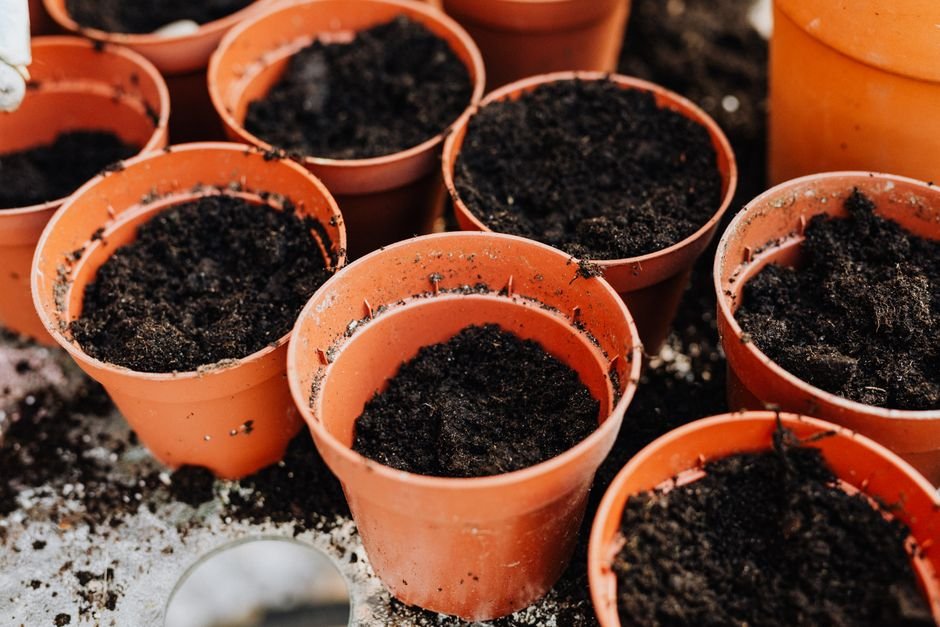
The real cost is the eight or ten weeks of small daily attention, plus the week and a half of hardening off, which lands in exactly the part of spring when I also want to be building beds and fixing whatever the winter broke. I do this on weekends. There are not many weekends.
Against that, a nursery transplant costs a few dollars and takes ten minutes to choose. If I need three tomato plants, buying them is obviously the better deal. If I need twenty-five, the math tips the other way fast and starting from seed wins by a lot.
What I buy without thinking twice
Peppers and eggplant, most years. They want a long head start, they are slow and moody early on, and the difference between a well-grown nursery pepper and my own is usually in the nursery’s favor because they have proper light and a greenhouse and I have a basement.
A single herb plant here and there. If I want one rosemary, buying one rosemary is not a decision, it is a transaction. Rosemary from seed is slow enough that I would be waiting a long time for something I could have had at dinner.
And anything I forgot. Every year there is a crop I meant to start and did not, and buying four plants in May is far better than deciding to skip that crop entirely because I missed a window that only exists in my head.
What is never worth buying
Anything that gets sown straight into the ground. I have seen nurseries sell six packs of beans and cell trays of carrots and I want to gently take those customers aside. Beans go in the soil and come up in days. Carrots and radishes and beets have taproots that hate being disturbed, and a bought carrot start is a carrot that will fork or stall.
Salad greens too, mostly. A six pack of lettuce is fine if you want lettuce right now, but greens germinate so willingly and grow so fast that buying them is buying almost nothing. Same with cilantro, dill, and radishes.
And anything where the variety is the whole point. This is the argument that still keeps me starting seeds. Nurseries around me carry a handful of reliable, popular varieties, and they are reliable and popular for good reasons. But if I want the particular paste tomato I liked last summer, or a bean that only exists in a catalog, seeds are the only way that happens.
How I pick a plant in the store
Short and stocky beats tall and impressive. Same rule as with my own seedlings. A tall plant in a small pot has usually been pushed hard and is likely stretched.
I look at the underside of the leaves, which is where trouble lives, and at the soil surface for anything crusty or green. I tip a plant out of its pot in the aisle if I can do it without making a scene, because a root ball wound into a dense white spiral is a plant that has been sitting there a long time and will take a while to move on after planting.
I do not buy the one with the most flowers or the one with a small fruit already on it, even though everything in me wants to. A pepper that has set fruit in a tiny pot has decided it is done growing. It will hold on to that one fruit and stay small for weeks. I pick the flowers off when I plant, which feels awful and pays off.
The hybrid mix I have settled into
These days I start from seed only what I actually want in quantity or cannot buy, and I buy the rest. In practice that means I start tomatoes and basil, because I plant a lot of both and I want specific ones, plus leeks and brassicas because they hold well in a tray. Everything else is either direct sown or bought as plants.
The tray in the basement went from four flats to one and a half, and the quality of what is in it went up sharply, because one and a half flats is an amount of attention I can actually supply on a weekend schedule.
The part that took the longest to admit
There is a story people tell about gardening where growing from seed is the serious version and buying plants is the shortcut, and if you are eating out of the garden that story does not survive contact with reality. Nobody has ever eaten better because of where their plant spent its first six weeks.
What I care about is whether there is enough basil in July to make pesto without rationing, and whether the tomatoes come in before the season runs out. Some of those plants started in my basement and some started in a greenhouse thirty minutes away. On the cutting board they are indistinguishable, and the guy in the parking lot with twenty tomatoes was, I now think, further ahead than I was.