This post contains affiliate links. If you buy through them, Homegrown Weekend may earn a small commission at no extra cost to you.
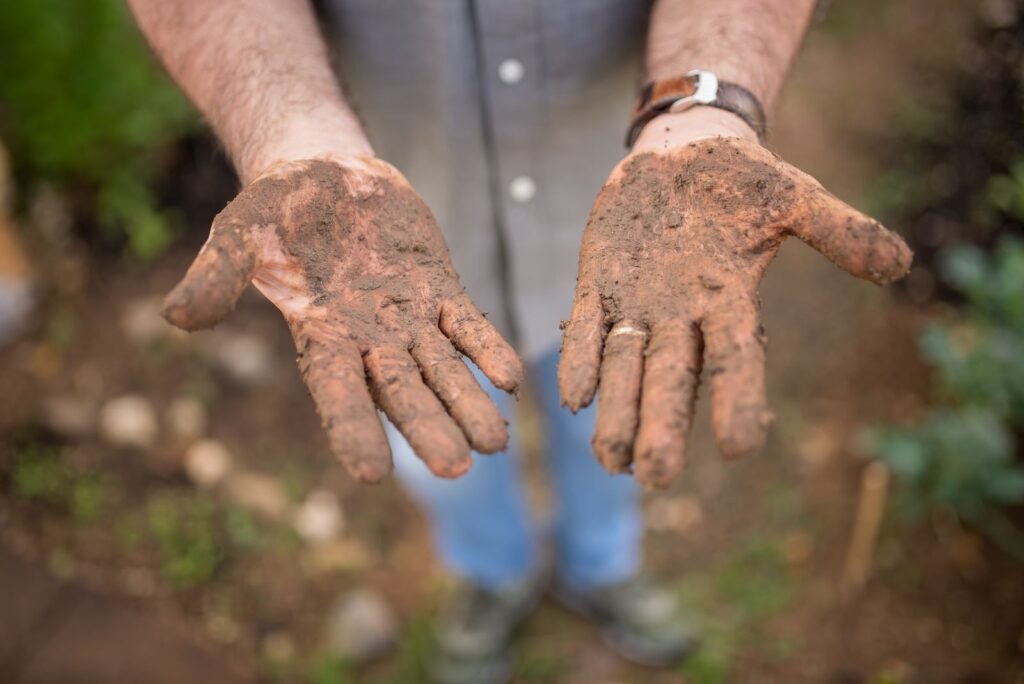
There is a moment every Sunday evening in late summer when I come in through the back door, look at my hands, and realize I have no idea how long the dirt has been in the creases. Saturday was beds. Sunday was picking, washing, chopping, and then back outside because I forgot the basil. By the time dinner is on the table my knuckles look like a map of the garden, and the skin on the backs of my hands feels like the paper bag the potatoes came out of.
For years I treated this as a badge. Real gardeners have rough hands, or so I told myself. This year I finally admitted that the cracked thumb I kept snagging on my sweater was not a badge. It was just a cracked thumb. So this is a short, honest post about what I changed in the wash-up at the end of a garden weekend, and a brand I came across while looking for something gentler to keep by the sink.
Why weekend gardening is hard on skin
None of this is science, just what I notice. A weekend in the beds means hours with my hands in soil that pulls moisture out of everything it touches. Then comes the harvest, which means more washing than any other part of the week: rinsing greens, scrubbing carrots, cleaning the colander, wiping down the counter, washing my hands between every one of those because I keep going back outside. By Sunday night I have probably washed my hands more times than I do from Monday to Friday combined.
Add sun on the backs of the hands, a bit of wind, and the habit of skipping gloves for anything delicate like thinning seedlings, and the result is predictable. My wife started calling the state of my hands in September “the harvest look,” and she did not mean it as a compliment.
What I changed at the back door
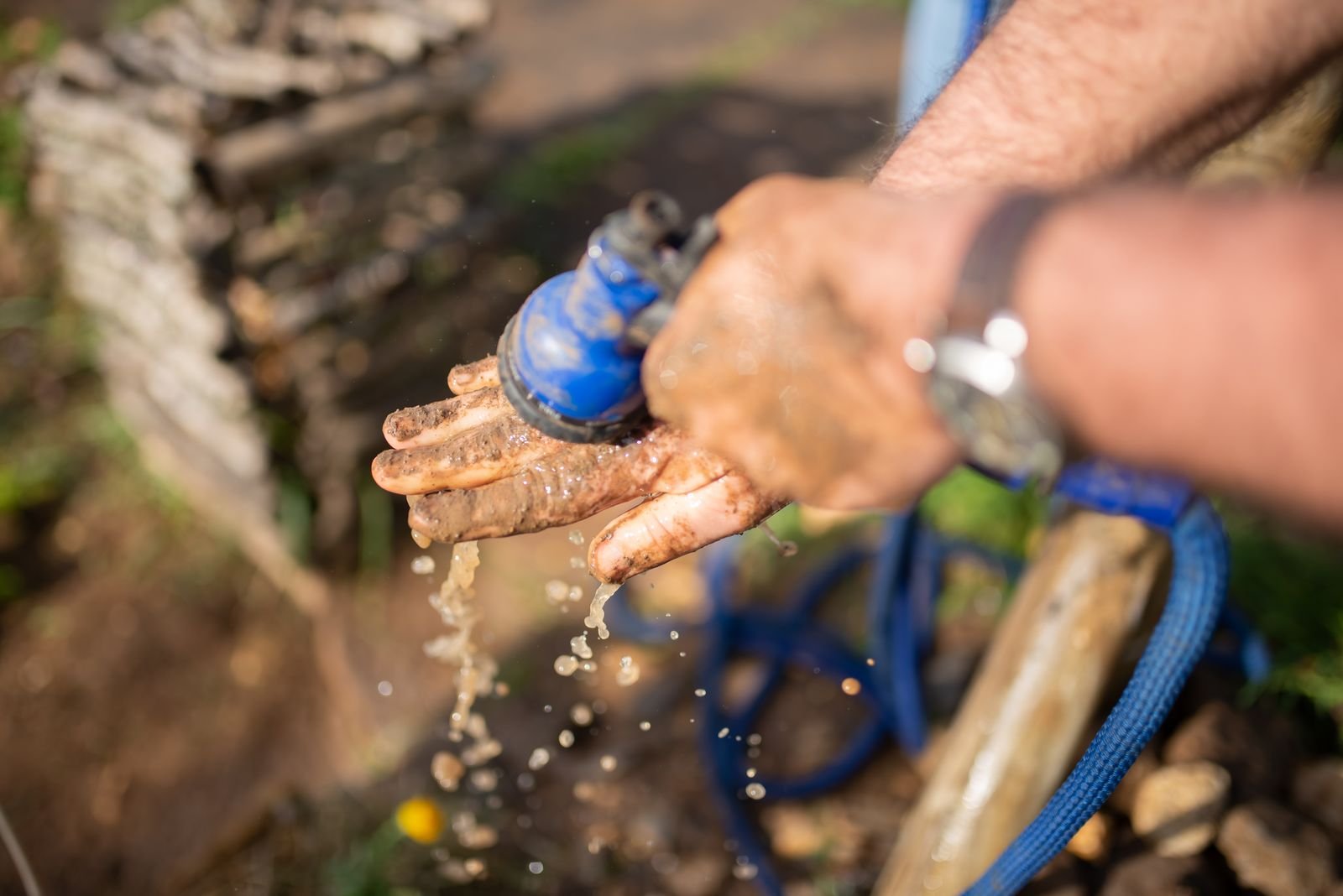
The first change was boring and effective: I stopped scrubbing like I was trying to sand a table. I used to go at my nails with a stiff brush and the harshest soap in the house, and then wonder why the skin around them split. Now I let my hands sit under the hose for a minute first, which loosens most of the soil on its own, and then wash once, properly, instead of three times in a hurry.
The second change was what I wash with. For a long time the back door had whatever the cheapest bottle at the store happened to be, and I suspect it was part of the problem. I started paying attention to how my hands felt an hour after washing, not just whether they looked clean. That one test sorted things out quickly. Some soaps left my hands feeling tight and squeaky, and those were the ones I stopped buying.
That is how I ended up looking at Urban Hydration. They sell what they describe as clean, natural skincare for the whole family, and what caught my eye was simply that it was the kind of thing you could leave by the sink where everyone in the house washes up, not a special product just for me. If you want to look at their range, the banner below goes straight to their shop.
I want to be clear about what I am and am not saying here. I am a vegetable gardener, not a dermatologist. I cannot tell you what is right for your skin, and if your hands are genuinely sore, bleeding, or not healing, that is a question for a doctor, not a garden blog. What I can tell you is what changed my Sunday nights.
A wash-up routine that actually sticks
Routines only work if they are short enough to do when you are tired and the onions are already in the pan. Here is roughly what mine looks like now, in the order it happens.
Rinse outside first
Most of the soil comes off with plain water, and it is better that it comes off in the garden than in the kitchen sink. I keep a hose nozzle by the herb bed for exactly this. Thirty seconds, fingers spread, and the worst of it is gone before I touch the door handle.
One proper wash, not five quick ones
Inside, I wash once with warm water rather than hot, take my time around the nails, and pat dry instead of rubbing. If I am going back out for something I forgot, I rinse rather than doing the full wash again. That alone cut the number of times my hands meet soap on a Sunday by more than half.
Something on the hands before dinner
This is the step I skipped for a decade. Now there is a bottle of lotion on the windowsill next to the dish soap, and I use it while the kettle boils. It takes less time than reading a seed packet. The point is that it lives where I already am, not in a bathroom cabinet I will never open on a busy evening.
Gloves for the dry jobs
I still go bare-handed for thinning, transplanting, and anything where I need to feel what I am doing. But for pulling spent plants, turning compost, or hauling bags of soil, gloves go on. Those jobs are where most of the damage happens, and they do not need any finesse.
The whole family washes up here
One thing I did not expect: once there was something decent by the back door, everyone else started using it too. Whoever comes in from the garden with muddy hands, which on harvest weekends is everybody, goes to the same sink. That is part of why a family-oriented range made more sense to me than a heavy-duty gardener’s hand cream that smells like a hardware store.
It also changed the mood of the end of the day a little. The wash-up used to be a chore between the garden and the table. Now it is a small pause. Hands under the water, the smell of whatever we just picked still on them, a minute before the cooking starts. I did not set out to make it a ritual, but it became one.
What I would tell another weekend gardener
Your hands are a tool you use every single weekend, and like any tool they last longer if you look after them. You do not need a complicated skincare routine. You need a gentler wash, fewer washes, and something within arm’s reach of where you actually stand at the end of the day.
If you are curious about what I keep by the sink these days, you can browse Urban Hydration skincare and see whether anything fits your own household. Then go wash the dirt off. The beans will still be there tomorrow.
Photos: Kampus Production via Pexels.