I came out with coffee on a Saturday morning and the squash plant was lying flat. Not wilted at the tips, not drooping in the heat, flat, with the big leaves collapsed onto the soil like something had let the air out of it. The day before it had been the healthiest thing in the garden. I lifted a stem and found a soft split near the base with what looked like wet sawdust coming out of it, and I understood that whatever had done this had been inside the plant for a while and I had walked past it every day.
That was the opening of the worst pest season I have had. By the end of it I had lost the squash entirely, most of a brassica bed, and a discouraging number of seedlings. I want to write it down plainly, because most of what I read before that year had made pest control sound like a solved problem.
The morning the squash collapsed
The squash was gone within days. I tried the thing people suggest, which is slitting the stem to find the culprit and then mounding soil over the wound so the plant can root above the damage. I did find something. The plant put out a few sad leaves and then quit anyway.
What stuck with me was the timing. The visible collapse came long after the actual problem started. By the time I could see anything, the decision had been made for me. That has shaped how I garden more than any technique I picked up that year: with a lot of pests, the useful window is before you have symptoms, which means either prevention or accepting the loss.
Cabbage worms and my hand picking routine
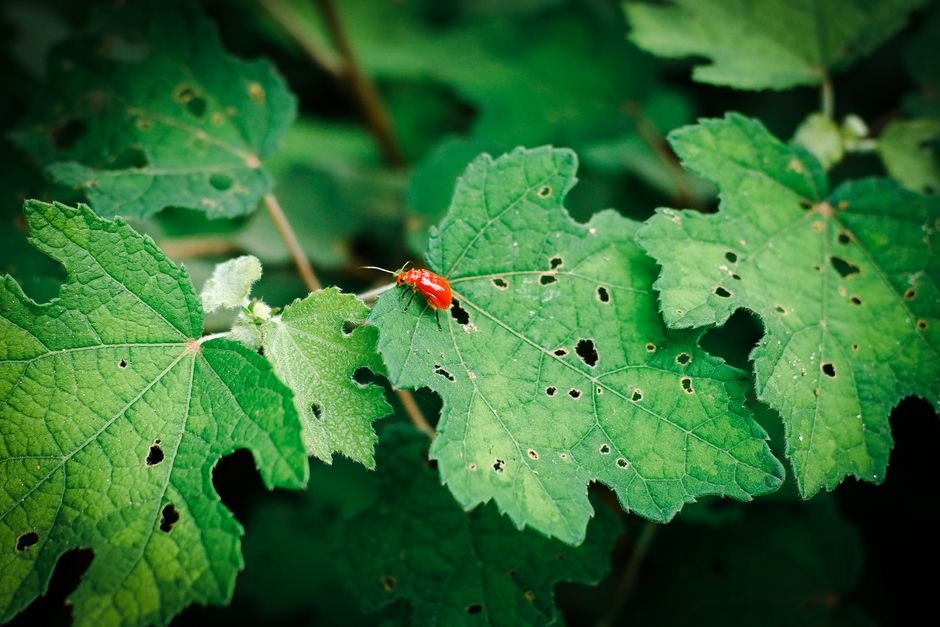
The brassicas went differently, slowly and visibly. First the little white butterflies, which I foolishly enjoyed watching. Then pinholes in the leaves. Then green caterpillars exactly the color of the leaf vein they were sitting on, which is a genuinely impressive piece of camouflage, and which meant I kept missing them.
My method was my hands. Every morning I could manage, I turned leaves over and picked off what I found, dropping them into a cup of soapy water. It works. The catch is that it only works at the frequency you actually do it. I averaged maybe four mornings a week, and four mornings a week is not enough to stay ahead of them. The kale survived because kale can lose a lot of leaf and keep going. The smaller plants did not.
Row cover, and what it costs you
The following spring I bought lightweight fabric and covered the brassicas from the start, with the edges pinned down all the way around. This is the single most effective thing I have ever done about pests, and I would recommend it to anyone growing leafy brassicas.
It is also more annoying than anyone admits. You cannot see your plants. Watering means unpinning an edge or watering through the fabric and hoping. Weeding means taking the whole thing off and putting it back. And it has to go on before the pests arrive, not after, because covering plants that already have eggs on them just builds a nursery. I once left a section pinned down over a plant that was already infested and gave the caterpillars a predator-free enclosure for two weeks.
Slugs, boards, and beer
Slugs took my seedlings, which is the loss that stings most because a seedling is weeks of anticipation and a single night of chewing. I would set out small plants and find stems cut off at soil level with the classic slime trail nearby.
Two things helped. The first is a board laid flat on the soil near the vulnerable plants. Slugs shelter under it during the day, and I flip it in the morning and deal with what is there. The second is the beer trap, a shallow container sunk to soil level, which works exactly as advertised and is unpleasant to empty. I also stopped watering in the evening near the seedling rows, since a damp night surface is what they want.
I never got into sprays or baits. Partly that is a food garden thing, since I did not want to learn a whole set of rules about what goes on something my kids eat raw. Partly it is that at this scale my hands and a board are genuinely competitive with anything in a bottle.
Losses I decided to accept
The most useful shift that year was giving up on some fights on purpose. Flea beetles put holes in every eggplant and radish leaf I grow. The radishes do not care, because I eat the root. So I stopped caring about the radish leaves.
Aphids on a plant that is nearly done for the season get a hose spray and then get ignored. Some leaf chewing on a mature kale plant is now, to me, cosmetic. The mental habit I had to break was reading any damage as a failure. A garden with zero insect damage is either sprayed heavily or imaginary, and neither is what I want out of my weekend.
What I changed after
Three things stuck. I cover the brassicas early rather than reacting. I walk the beds with an actual look, turning leaves over, rather than glancing at the garden from the deck and calling it a check. And I plant a bit more of the things that pests reliably take, treating some percentage of the row as a tax rather than pretending I will prevent it.
The squash I have not really solved. I have gone a couple of seasons growing it in a different spot and starting a second plant later as a backup, so that when one goes down I am not out of squash entirely. Some years that works. Some years I lose both and buy squash like everyone else, which is a fine outcome for something I was ambivalent about anyway.